
Dogs communicate through body language, vocalisations, and behaviour patterns. Understanding these signals helps you recognise your dog's emotional state and respond appropriately to their needs.
Reading Body Language
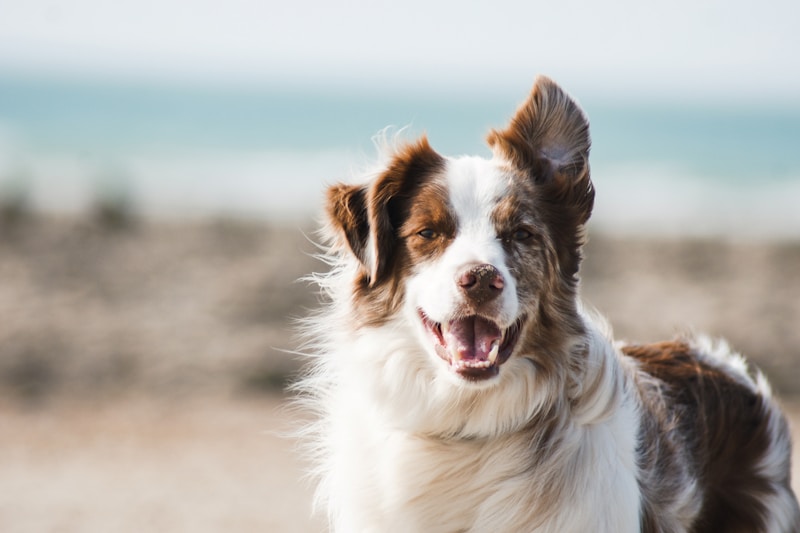
A dog's body posture reveals much about how they're feeling. Relaxed dogs typically have loose, flowing movements. Their tails wag in broad, sweeping motions, and their facial muscles appear soft rather than tense.
When a dog feels uncertain or anxious, their body language changes. The tail may be held low or tucked. Ears might pin back against the head. They may avoid eye contact or turn their head away. Recognising these subtle signs helps you understand when your dog needs reassurance or space.
Common Behaviours Explained
Play Behaviour
Play is a natural and important part of a dog's life. Play bows—where the front end drops whilst the rear stays elevated—signal an invitation to play. During play, dogs may make exaggerated movements, emit high-pitched barks, and engage in chase or wrestling behaviours.
Healthy play involves role reversal, where dogs take turns being the chaser and the chased. If play becomes too intense, dogs often naturally pause to self-regulate before continuing.
Social Signals
Dogs use various signals when interacting with other dogs or people. Yawning can indicate stress or tiredness. Lip licking may signal appeasement or nervousness. A dog showing their belly often indicates trust and comfort, though in some contexts it can also be a submissive gesture.
Attention-Seeking
Dogs learn which behaviours get responses. Pawing, nudging, or bringing toys are common ways dogs request interaction. Some dogs vocalise when they want attention, whilst others simply position themselves in your line of sight.
Exercise and Mental Stimulation
Physical exercise and mental engagement both play important roles in a dog's wellbeing. A dog with insufficient exercise or stimulation may display behaviours like excessive energy, restlessness, or attention-demanding actions.

Regular walks provide physical exercise and sensory stimulation. Dogs experience the world largely through smell, and walks offer countless scents to investigate. Allowing time for sniffing during walks contributes to your dog's mental enrichment.
Stress Signals
Recognising stress in dogs helps you identify when they need support. Common stress indicators include panting when not hot, excessive shedding, trembling, loss of appetite, or changes in sleeping patterns.
Dogs experiencing stress might also display increased vigilance, difficulty settling, or repetitive behaviours. If stress signals persist, consulting a veterinarian helps rule out medical causes and determine appropriate support.
Age-Related Changes
Behaviour patterns often shift as dogs age. Puppies are typically energetic and exploratory, with short attention spans. Adult dogs generally settle into consistent behaviour patterns.
Senior dogs may become less active, sleep more, or show changes in their social interactions. They might be less tolerant of certain situations or need more time to process changes. Understanding these age-related shifts helps you adapt your expectations and care approach.
Individual Differences
Every dog has a unique personality shaped by genetics, early experiences, and learning. Some dogs are naturally bold and outgoing, whilst others are more reserved. Some thrive on constant activity, whilst others prefer calmer environments.
Understanding your individual dog's temperament helps you create an environment and routine that suits their specific needs and preferences.
When to Seek Guidance
If you notice sudden behaviour changes, persistent anxiety, aggression, or other concerning patterns, professional guidance can help. Veterinarians can rule out medical causes, whilst experienced behaviourists can assess complex behaviour patterns.
Conclusion
Understanding dog behaviour is an ongoing process of observation and learning. By paying attention to body language, recognising common signals, and respecting individual differences, you build a stronger relationship with your dog based on clear communication and mutual understanding.
Remember that behaviour exists within context. A behaviour that's appropriate in one situation might indicate stress in another. Observing patterns over time and considering the broader context helps you accurately interpret what your dog is communicating.